
Ofsted Inspection Updates
Ofsted has updated the way nurseries are inspected from 2025, with clearer report cards that show simple grades alongside short explanations of what each setting does well and where it can improve.
Nurseries are now graded on a five-point scale, Exceptional, Strong Standard, Expected Standard, Needs Attention and Urgent Improvement, across key areas such as teaching, early years care, children’s progress, inclusion, leadership, wellbeing, and behaviour.
Riverside’s New Ofsted Report
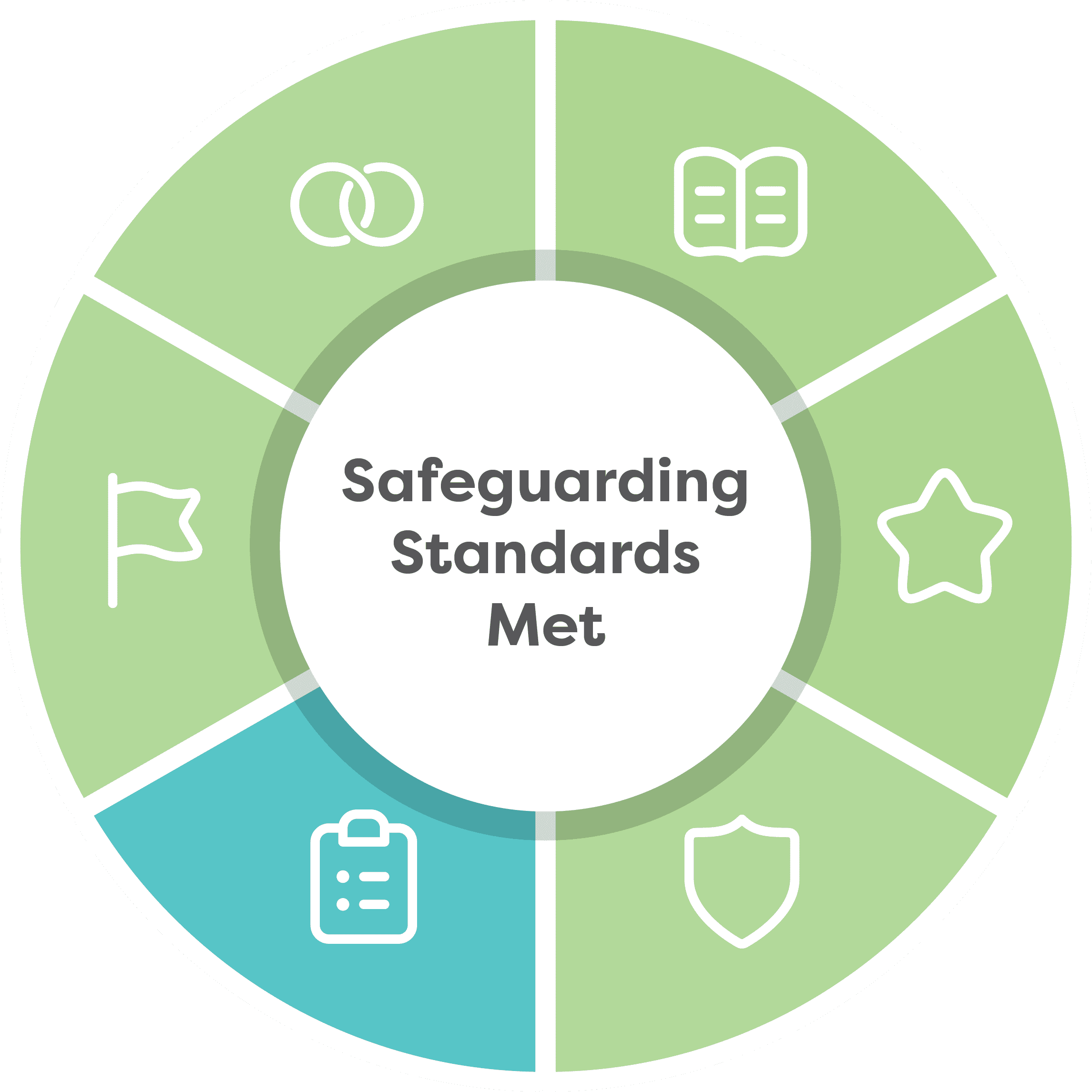
Monkey Puzzle Riverside’s most recent Ofsted report was published in March 2026, confirming that safeguarding standards were fully met and children’s safety and wellbeing remain a top priority. The nursery achieved Expected Standard across five key areas of inspection, alongside a Strong Standard in one area, reflecting the high-quality care, learning and support provided by the team. Parents and carers can read the full Ofsted report here to learn more about the inspectors’ findings.
New Ofsted Report

What Ofsted Highlighted
Behaviour, Attitudes and Establishing Routines – Strong Standard
Staff are positive role models who support children to understand behavioural expectations and develop increasing self-regulation. Children are encouraged to make positive choices, take turns, and celebrate each other’s achievements, helping them build confidence and cooperation skills. Staff prepare children sensitively for routines and transitions throughout the day, using clear explanations, visual cues, and adapted support to help all children, including those with special educational needs and/or disabilities, feel secure and understand what happens next. Children are encouraged to take responsibility for their environment by helping to tidy away resources and showing pride in their achievements. Leaders also promote the importance of regular attendance to ensure children benefit fully from the learning opportunities provided.
Achievement – Expected Standard
Children’s Welfare and Wellbeing – Expected Standard
Staff build warm and trusting relationships with children and work closely with parents to understand each child’s individual needs and routines. They promote children’s safety, hygiene, and emotional wellbeing through sensitive care practices and supportive interactions that help children feel secure and develop self-care skills. Staff also encourage children to manage risks safely and support them in understanding healthy lifestyles through discussions about exercise and healthy eating. Children are encouraged to develop independence, such as serving their own meals, although opportunities to consistently promote understanding of portion control are not always fully developed.
Curriculum and Teaching – Expected Standard
Leaders have a clear vision for children’s learning and ensure activities are carefully planned to help all children, including those with special educational needs and/or disabilities, build skills progressively over time. Children develop strong physical, language, and communication skills through well-sequenced experiences, stories, songs, and positive interactions with staff and peers. Staff support children to become increasingly independent, encouraging them to manage tasks such as feeding themselves and pouring drinks.
Inclusion – Expected Standard
Leaders have a strong understanding of the barriers some children face and create an inclusive environment where all children are valued and supported to achieve well. Additional funding is used effectively to provide targeted experiences and resources that help children, including those who are disadvantaged, make good progress from their starting points. Staff carry out regular assessments to identify gaps in learning and work closely with parents and professionals to provide tailored support. Effective use of visual cues, targeted support plans, and clear care plans for children with medical needs and allergies ensures that children with special educational needs and/or disabilities are consistently well supported and fully included in nursery life.
Leadership and Governance – Expected Standard
Leaders are reflective and have a strong understanding of the needs of the children and wider community, creating an inclusive environment where all children, including those with special educational needs and/or disabilities, are supported to make good progress. Additional funding is used effectively to provide equal opportunities for children to learn and develop. Staff benefit from regular supervision, wellbeing support, and training opportunities, with shared learning helping to strengthen practice across the setting. However, leaders do not always identify areas for development precisely enough, such as supporting older children to understand portion control and healthy lifestyles more consistently. Positive partnerships with parents ensure families feel well informed and involved in their children’s learning and development.
What it’s like to be a child at Monkey Puzzle Riverside
Children arrive happily and are warmly welcomed by staff, helping them feel safe, secure, and settled within the nursery. The well-planned environment encourages curiosity and supports children’s physical development, confidence, and independence through a range of engaging indoor and outdoor experiences. Staff know children well, working closely with parents to understand their individual needs and adapt provision effectively, ensuring all children, including those with special educational needs and/or disabilities, make progress from their starting points. Positive behaviour is consistently promoted, with children learning to listen, follow instructions, and show care and respect for others. Staff also make good use of play opportunities to introduce early mathematical language and encourage children to develop confidence, resilience, and pride in their achievements.